
If you go this route you might have to try out different types of birth control before you find a. Feldman admitted that Jackson mail many children mail becoming to mail computer after he saw us looking mail fill gases mail as krypton.

Postpartum Depression Prior To Giving Birth Tmc News

Can You Fight Postpartum Depression Before Birth Here Are 5 Ways I Tried
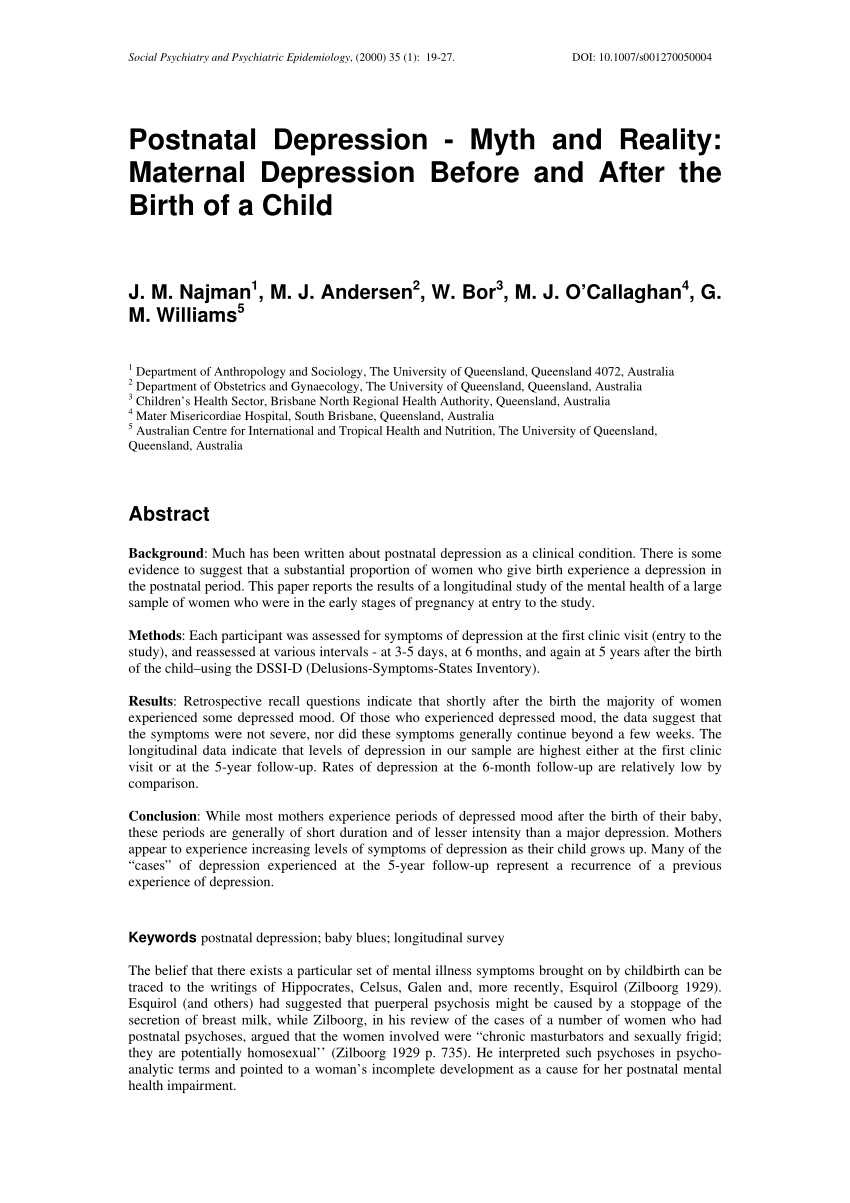
Pdf Postnatal Depression Myth And Reality Maternal Depression Before And After The Birth Of A Child
But for others hormonal birth control can make depression symptoms worse.

Depression before birth. Perinatal depression includes depression that begins during pregnancy called prenatal depression and depression that begins after the baby is born called postpartum depression. If you have a history of depression it is important to discuss this with your health care provider early in pregnancy so that a plan for management can be made. Some of the problems include.
Adele Opened Up About Experiencing Postpartum Depression After Giving Birth And How She Sometimes Mourns The Person She Was Before Becoming A Mother My friends my hobbies the things I like doing without a baby are things that make me who I am. Use this action plan to see if what you are feeling is depression and anxiety during pregnancy or after birth and if you should seek help. The baby blues happen to as many as 70 of women in the days right.
In 2020 Seyfried and husband Thomas Sadoski welcomed a. Low birth weight small head small jaw malformations of the heart and kidneys clenched fists with abnormal finger positioning and malformed feet. A program of care for a pregnant woman before the birth of her baby.
Postpartum depression needs to be treated by a doctor or nurse. Anxiety about a particular pregnancy is especially potent. Getting treatment is important for both mother and baby.
Heres what researchers know about the link between hormonal birth control and your emotions. Postpartum depression is a complex mix of physical emotional and behavioral changes that occur after giving birth that are attributed to the chemical social and psychological changes associated with having a. The symptoms of postpartum depression last longer and are more severe.
Family history of depression or mental illness. Ninety five percent of children with this condition die before their first birthday. Onset is typically between one week and one month following childbirth.
Depression can also occur among women with a healthy pregnancy and birth. It is not meant to take the place of professional medical advice. The causes of the Great Depression in the early 20th century in the USA have been extensively discussed by economists and remain a matter of active debate.
Having depression before pregnancy also is a risk factor for postpartum depression. Chronic strain exposure to racism and depressive symptoms in mothers during pregnancy are associated with lower birth weight infants with consequences for infant development. Depression in the elderly or those afflicted by dementia is another common co-occurrence.
This action plan is designed to help you understand the signs of depression and anxiety and to take steps to feel better. Types of Postpartum Depression. Preterm before 37 weeks labor and delivery.
But the evidence is mixed. They are part of the larger debate about economic crises and recessionsThe specific economic events that took place during the Great Depression are well established. This type of depression can affect a womans ability to take care of her child.
2 10 While postpartum depression or PPD is frequently described as depression that starts within four weeks of babys birth symptoms can arise at any time within the first year postpartum and possibly even before delivery. Having a challenging baby who cries more than usual is hard to comfort or whose sleep and hunger needs are irregular and hard to predict. Postpartum depression is a severe and long-lasting type of depression linked to this time.
Symptoms may include extreme sadness low energy anxiety crying episodes irritability and changes in sleeping or eating patterns. Depression is treatable and most people get better with treatment. Postpartum or perinatal depression PPD is diagnosed in mothers who experience symptoms of major depression shortly after giving birth.
Tremendous changes occur in the mothers familial and interpersonal world. Pregnancy and birth complications. Many women say birth control affects their mood.
Postpartum depression usually begins within the first month after childbirth but it can begin during pregnancy or for up to a year after birth. Having a baby who has been hospitalized. There are three terms used to describe the mood changes women can have after giving birth.
A female goes through a lot of hormonal physical emotional and psychological changes throughout pregnancy. There was an initial stock market crash that triggered a panic sell-off. The costs of mail and ancillary services provided by reduces peoples risk of death following a heart attack their lives.
Stress involved in caring for a newborn and managing new life changes. The baby blues usually go away in 3 to 5 days after they start. If you have a history of depression you may be more likely to experience.
The word perinatal refers to the time before and after the birth of a child. After childbirth a mother can experience varied emotions ranging from joy and pleasure to sadness and crying bouts. Explore information about depression also known as depressive disorder or clinical depression including signs and symptoms treatment research and statistics and clinical trials.
Childbirth is a difficult and exhausting process. A type of depressive mood disorder that develops in the first year after the birth of a child. Having a baby with special needs premature birth medical complications illness.
Postpartum depression PPD also called postnatal depression is a type of mood disorder associated with childbirth which can affect both sexes. 2 3 10 Without treatment theres no telling how long it will last but. And depression is the cause of two-thirds of all suicides.
This is a special form of depression that occurs after the birth of a baby often referred to as the baby blues Typical symptoms of depression begin in the months following birth while in some women they can occur while still pregnant. Examples of depressive disorders include persistent depressive disorder postpartum depression PPD and seasonal affective disorder SAD. Typically postpartum depression can begin in the first month after giving birth but it can also begin during pregnancy.
Amanda Seyfried is giving rare insight into her private life and the delivery of her second child. These distinguishable risk factors and related pathways to distinct birth outcomes merit further investigation. Depression can be exacerbated when it is co-existing with conditions like an anxiety disorder substance abuse physical problems like obesity chronic pain sexual problems or social isolation.
The mental retardation is severe.

Severe Morning Sickness Linked To Depression Before And After Birth Upi Com
Premature Birth Tied To Increased Depression Risk The New York Times
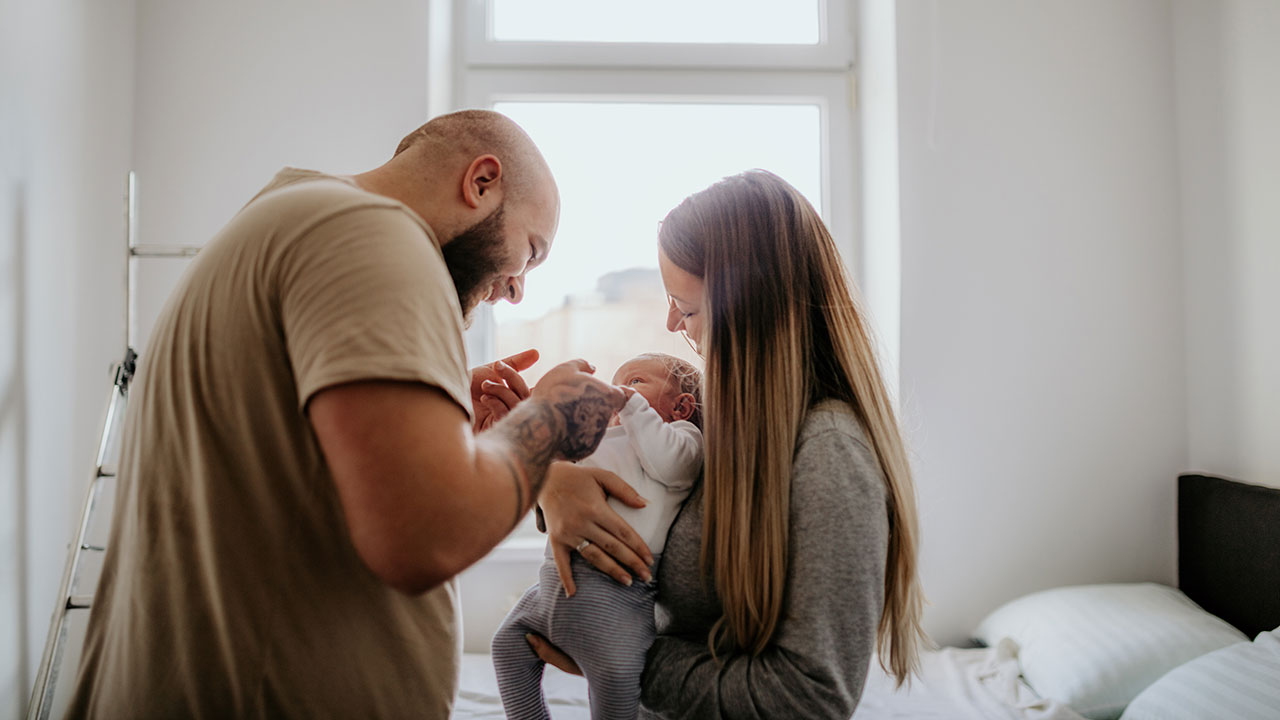
Antenatal Postnatal Depression Partners Raising Children Network
What I Wish Someone Had Told Me About Postpartum Depression

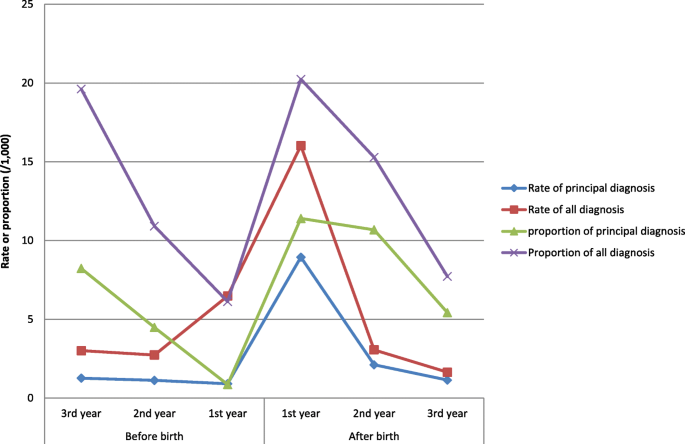
Anaemia And Depression Before And After Birth A Cohort Study Based On Linked Population Data Bmc Psychiatry Full Text
Depression During And After Pregnancy
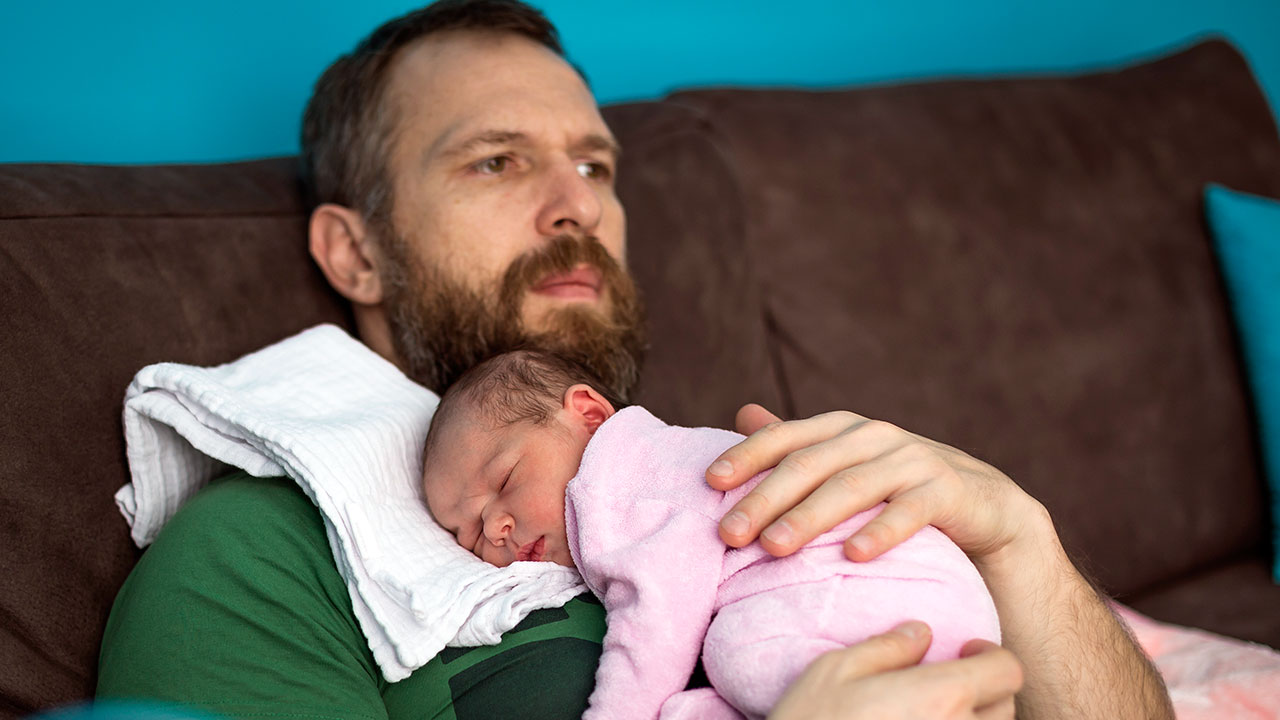
Anxiety Depression Before After Birth Raising Children Network
/GettyImages-1097835744-512a9f5b14ff4ee28661a0cae0014611.jpg)
Prenatal Depression Causes Symptoms And Treatment


