
At the start of the study both groups reported similar levels of. For the first time Penn research based on experimental data connects Facebook Snapchat and Instagram use to decreased well-being.

Reducing Time On Social Media Could Help Reduce Depression Risk Research Suggests Health The Jakarta Post

Isometric Depressed Businessman Sitting On The Smartphone With Hate Speech From Social Media Stock Vector Illustration Of Attack Communication 198125852

The Link Between Social Media And Depression The Recovery Village
3840 However given the mixed results in the literature concerning SMU and depression and anxiety outlined above and because cluster analysis is an exploratory hypothesis-generating technique we had no specific a priori hypotheses.
Depression in social media. Evidence is mounting that there is a link between social media and depressionIn several studies teenage and young adult users who spend the most time on Instagram Facebook and other platforms were shown to have a substantially from 13 to 66 percent higher rate of reported depression than those who spent the least time. To establish the link between social media and depression the researchers assigned 143 University of Pennsylvania students to two groups. To determine if there is a causal relationship between social media use and depression studies measured mood before and after periods of time when individuals were engaged with social media platforms.
Most studies have focused on separating causation from correlation. Studies show that spending a lot of time on social media can cause anxiety and depression in many people. Analyzing the relationship between depression and the use of social media.
Social Media Depression. We assess the prevalence of mental health problems and examine their association with social media exposure. Students were split into two groups one of which was asked to limit their social media use just for a month.
Penn Today University of Pennsylvania Social media young people and mental health PDF Briefing paper analyzing the impact of social media. A 2015 Common Sense survey found that teenagers may spend as much as 9. Seek help if you notice any of the signs associated with social media depression or addiction that could increase depression and anxiety in your teenager.
The former indicates social media increases the risk of mental health issues. Online survey was used to do rapid assessment. The link between the social-media use depression and loneliness has been talked about for years but a causal connection had never been proven.
Teens use social media to connect seek friendship and support and even ask for help at times. According to the Anxiety and Depression Association of America it states Many people see that someone on Facebook who has a great job excellent husband and beautiful home and they feel happy for them. We measured overall social media use nighttime-specific social media use emotional investment in social media sleep quality self-esteem and levels of.
In several recent studies teen and young adult users who spent the most time on Instagram Facebook and other platforms were shown to have a substantially higher from 13 percent to 66 percent reported rate of depression than those who spent the least time. We surveyed 1787 adults ages 19 to 32 about SM use and depression. As the use of social media and social networking sites widened rapidly studies that were investigating the effects of this increase to depression have been conducted.
If youre concerned or notice any signs common with depression and anxiety due to overuse dont hesitate to make an appointment at one of our Portland Oregon clinics to speak with one of our family physicians today. 2012 reported that daily time spent on social media was causing adjuvant effect on depression levels of the high school students. However studies have shown that there is a link between the amount of time spent on social media and risk for depression.
Is using social media making our kids unhappy. A better bet is to understand how and why your teen uses social media stay connected and know what to look for if your teen shows unexplained emotional changes. This study assessed the association between SM use and depression in a nationally-representative sample of young adultsWe surveyed.
Social media number of platforms used perception of addiction and type of use. A research team from the University of Pittsburgh found that those who checked their social media most frequently were 27 times more likely to be depressed compared to those who checked less often. Studies have linked the use of social media to depression anxiety poorer sleep quality lower self-esteem inattention and hyperactivity often in teens and adolescents.
Social media use increases depression and loneliness Details study linking time spent on social media with decreased wellbeing. Social network and social support theories would suggest that individuals who are most engaged with social media have more positive outcomes. Since the presence of depression has become a growing issue conducting research on this relatively new interaction between social media use and depression will assist in acquiring a better understanding of the specifics of this mental disorder.
Social media SM use is increasing among US. Social media SM use is increasing among US. Social Media Cyberbullying and Depression It makes sense then that so many teens report having experienced cyberbullying.
The list goes on. One could use social media with no restrictions while the second group had their social media access limited to just 30 minutes on Facebook Instagram and Snapchat combined over a three-week period. Evidence is mounting that there is a link between social media use and depression.
Social Media Depression Experiment. A new study found social media use television viewing and computer use over a four-year period predicted more severe symptoms of anxiety and depression among adolescents. The stress resulting from social media usage can become chronic when the user is exposed to the stressors found in social media such as arguing in a comment section.
This study assessed the association between SM use and depression in a nationally representative sample of young adults. Participants were recruited via random digit dialing and. According to the Cyberbullying Research Center in 2016 over 33 percent of middle and high school students said that theyve been cyberbullied and 115 percent admitted to cyberbullying others.
Young adults and its association with mental well-being remains unclear. A cross-sectional study among Chinese citizens aged18 years old was conducted during Jan 31 to Feb 2 2020. Recent research validates the idea of social media depression.
The latter indicates that depressed and lonely people are more likely to be on social media. Showed no significant correlations between social media used and depression or anxiety however observational analyses of correlation tables revealed a relationship between time. Students who had their social media use limited reported less depression.
Given the overall positive nature of social media posts passive social media use is often related to the feelings of envy lower self-esteem and other mental health issues Schmuck et al 2019. Huge citizens expose to social media during a novel coronavirus disease COVID-19 outbroke in Wuhan China. Social media has associations with depression anxiety and feelings of isolation particularly among heavy users.
Young adults and its association with mental well-being remains unclear. This study examined how social media use related to sleep quality self-esteem anxiety and depression in 467 Scottish adolescents.

Negative Social Media Interactions Have Significant Effects On Depressive Symptoms Psychiatry Advisor
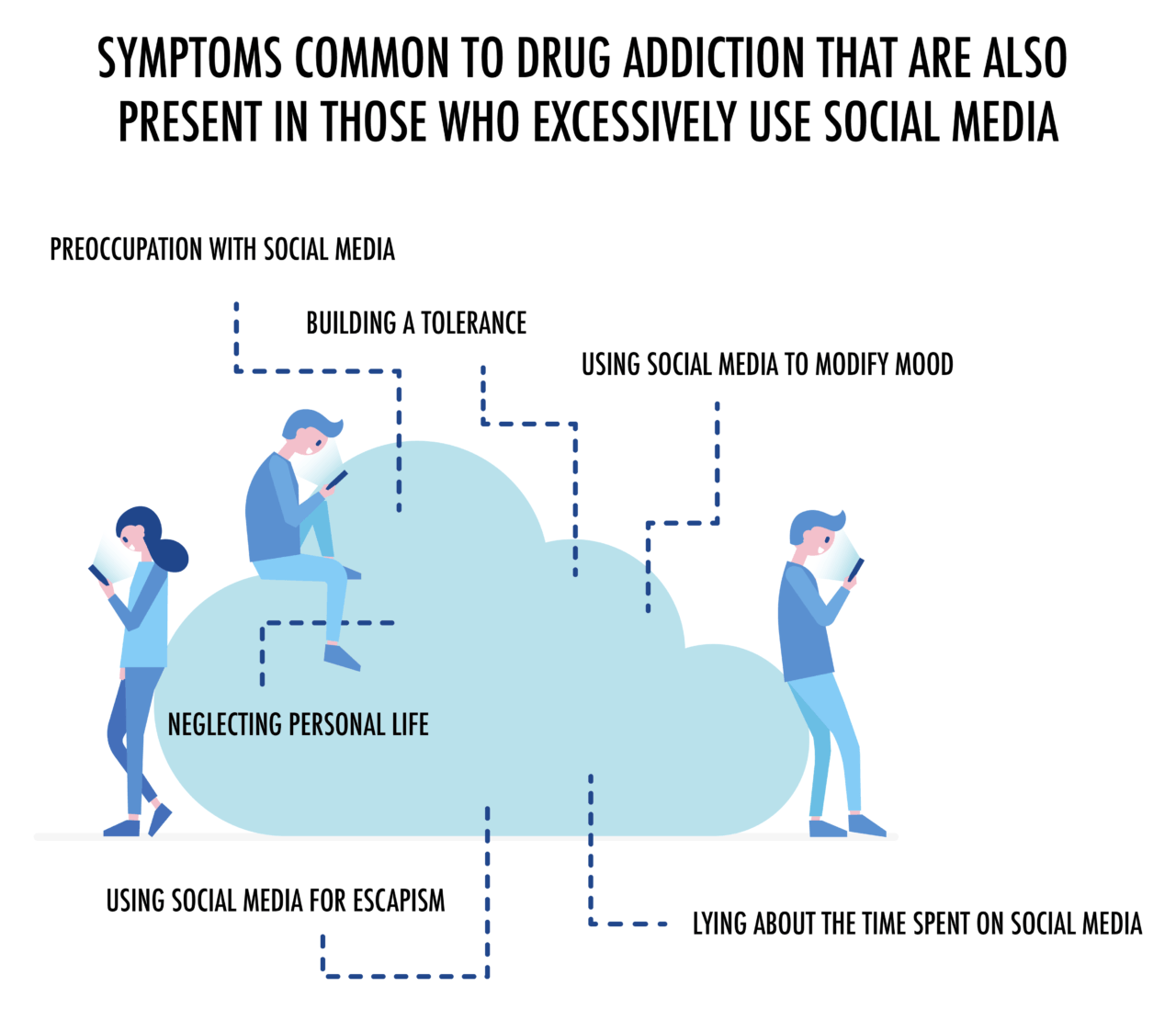
A Guide To Understanding Social Media And Depression
Data Show No Evidence That Teens Social Media Use Predicts Depression Over Time Association For Psychological Science Aps

Exploring Link Between Social Media And Depression Arab News
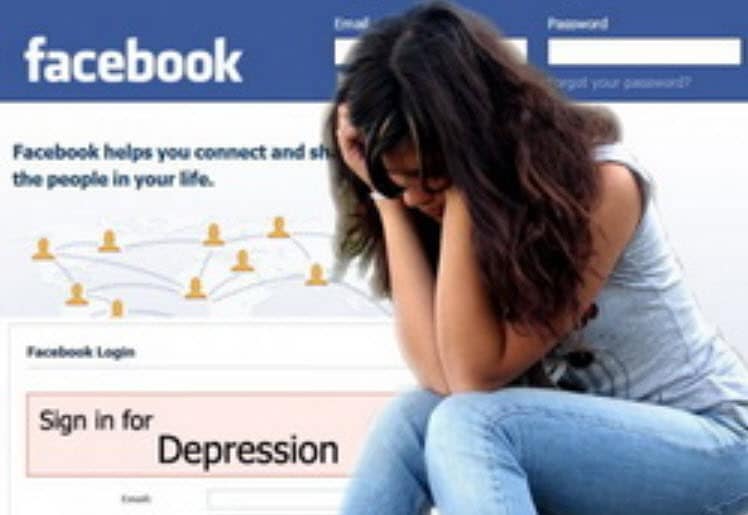
Millennials Social Media And Depression Council On Recovery
/link-between-social-media-and-mental-health-5089347-color-withtext-54a445186bb44974b059ac7b6494bcdf.gif)
Link Between Social Media And Mental Health
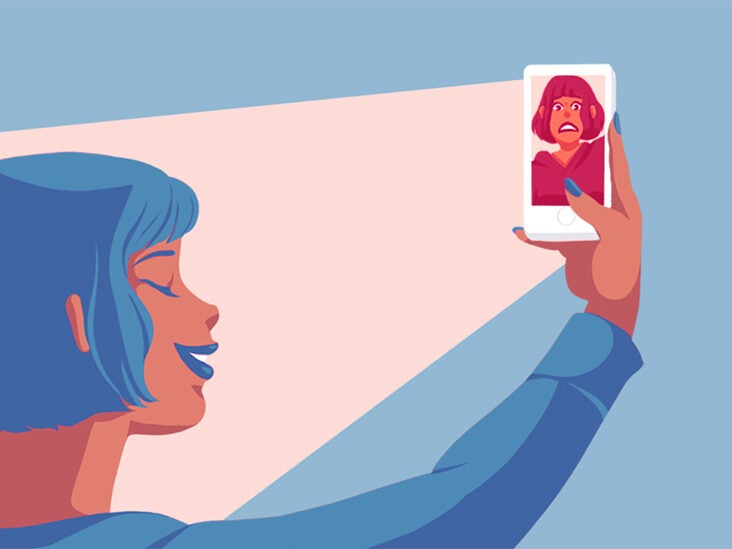
Social Media Increases Depression And Loneliness

Social Media And Depression


